Efficient Methods to Handle Packaging and Cardboard Disposal: The Complete, Human, UK-Focused Guide
You know that moment when a delivery comes in, the kit is great, but the mountain of boxes... not so great? Cardboard and packaging can quietly swallow your space and your time. Yet, when managed properly, they can also unlock savings, boost sustainability credentials, and create calmer, safer workplaces. In this long-form guide, I'll walk you through efficient methods to handle packaging and cardboard disposal that are practical, compliant, and cost-effective. We'll keep things friendly and clear, with UK-specific notes where it matters. And yes, a few honest asides too -- because, let's face it, waste happens.
You'll learn how to audit your packaging flow, set up smooth segregation, choose the right baler or compactor, meet legal duties, and turn waste into a resource. Clean, clear, calm. That's the goal.
Table of Contents
- Why This Topic Matters
- Key Benefits
- Step-by-Step Guidance
- Expert Tips
- Common Mistakes to Avoid
- Case Study or Real-World Example
- Tools, Resources & Recommendations
- Law, Compliance or Industry Standards (UK-focused)
- Checklist
- Conclusion with CTA
- FAQ
Why This Topic Matters
Packaging is the backbone of modern trade. It protects, communicates, and makes handling easier. But once it's done its job, it often becomes a problem -- piles of boxes, plastic void fill, straps and wrap, offcuts from boxmakers, and the occasional soggy, unlovely mess on a rainy Friday. The UK places over twelve million tonnes of packaging on the market each year, and cardboard (OCC -- old corrugated containers) is a large share. Recycling rates are high compared to many countries, but contamination, poor storage, and inconsistent disposal practices still drive costs up and recovery rates down.
From a business perspective, how you handle packaging and cardboard can decide whether you pay hefty general waste charges or earn rebates for clean, baled material. From a sustainability angle, it's your low-hanging fruit -- the quick win that teams and customers can see. From a compliance view, it's tied to Duty of Care, EPR data reporting, and safety requirements. And from a very human point of view: tidy spaces feel better. People move faster. There's less tripping and fewer side-eyes from Health & Safety. Efficient methods to handle packaging and cardboard disposal are a quality-of-life upgrade as much as a cost-saving measure.
Quick micro-moment: A warehouse supervisor once told me, 'By 3pm, the smell of damp cardboard and dust made everyone grumpy.' That changed after better baling and covered storage. It's a small thing. But it wasn't small.
Key Benefits
- Lower disposal costs and potential revenue -- Clean, segregated OCC can earn a rebate, especially when baled. Gate fees for general waste are rising; recycling offsets that.
- More space, safer sites -- Flattened and baled card reduces volume dramatically (up to 10:1 or more), clearing walkways and loading bays.
- Better compliance -- Segregation, Duty of Care documentation, and accurate EPR data keep you in line with UK regulations.
- Cleaner brand story -- Customers, staff, and auditors notice organised, visible sustainability wins. It's not just optics -- it's credibility.
- Operational speed -- Less time wrestling boxes, more time moving goods. Continuity matters in tight operations.
- Carbon reduction -- Higher recycling rates and right-sized packaging reduce emissions; it's aligned with corporate ESG targets.
Truth be told, you'll feel the improvement within a week. It's that tangible.
Step-by-Step Guidance
Here's a practical, tested roadmap for efficient methods to handle packaging and cardboard disposal across retail, e-commerce, hospitality, manufacturing, and office settings.
1) Audit your packaging and waste streams
Start with a fast audit -- a walk through the site with a clipboard (or your phone). Map where cardboard enters (goods-in, pick/pack, returns) and where it piles (end of lines, back-of-house, cage areas). Note quantities, contamination points (food, oils, rain), and container sizes. Observe the flow: is material handled twice? Thrice? That's waste in disguise.
- Estimate weekly OCC tonnage. As a rule of thumb, a full euro-pallet stacked to 1.8m of flattened card can weigh ~150-200 kg, but it varies.
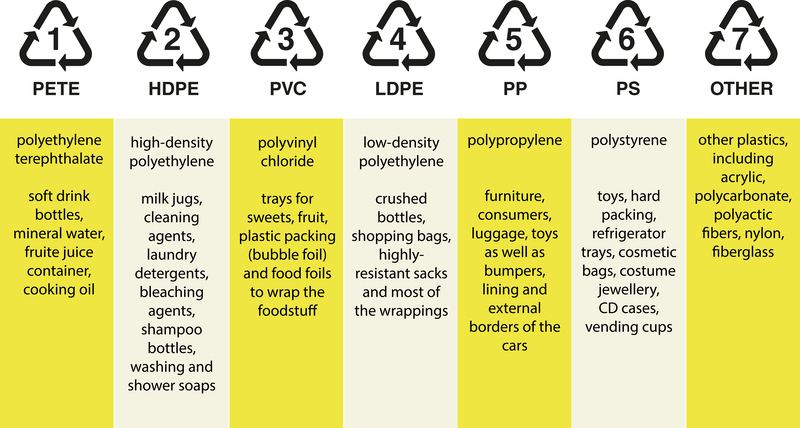
- Identify other materials: LDPE film, polypropylene strapping, paper, polystyrene, mixed plastics. Segregation improves economics.
- Photograph bottlenecks and quick wins -- you'll need these for training later.
Micro moment: It was raining hard outside that day; cardboard smelled woody-sour. Someone had left a cage uncovered by the roller door. That single oversight ruined a whole bale's value. Lesson learned: weather matters.
2) Apply the Waste Hierarchy to packaging decisions
- Prevent -- Cancel unnecessary packaging at source. Ask suppliers for consolidated deliveries or returnable totes.
- Reduce -- Use right-size packaging technology; cut void-fill in half with box sizers or on-demand perforated card.
- Reuse -- Reuse clean boxes for internal moves or returns. Consider pooled crates for stable lanes.
- Recycle -- Separate cardboard, paper, and LDPE; keep them dry and clean.
- Recover/Dispose -- Only for what can't be recycled.
3) Set up smart segregation stations
Place clearly labeled points where waste arises, not where it's convenient for operations alone. That might mean:
- At goods-in -- A large cage or bin for flattened OCC, a separate sack or crate for plastic film. Keep a knife and a safe cutting board handy.
- Near packing benches -- Smaller card crates leading to a central bale; a hopper for void fill; a step-by-step poster on what goes where.
- Back-of-house in hospitality -- Wall-mounted, colour-coded signs; wipeable and simple. Food waste and card must never meet.
Signs should be visual, not wordy. Photos help. People move fast; your signage should too.
4) Flatten, consolidate, bale
Flatten boxes immediately to avoid 'box balloons' consuming space. For sites generating more than ~300-500 kg of OCC per week, a vertical baler is often the tipping point for ROI. Bales typically weigh 80-450 kg depending on model. The denser the bale, the better the rebate and the fewer collections you need.
- Small sites -- consider manual strapping and scheduled pick-ups.
- Medium sites -- vertical balers, 150-300 kg bales, weekly or fortnightly collection.
- High-volume sites -- mill-size balers (400-600 kg bales) or horizontal balers, with backhaul to DCs if you own fleet.
Keep bales dry and on pallets. Some insurers require separation distances from walls and heat sources for fire safety; check with your provider and local Fire Service advice.
5) Protect from contamination
Cardboard hates moisture and oil. A wet bale is basically compost-in-waiting, and the aroma isn't charming. Place covered storage, use weatherproof containers, and keep OCC away from food prep. Train teams: no coffee cups, no greasy pizza boxes in the cardboard stream (paper fibres get ruined).
6) Choose the right collection model
You've got options:
- Scheduled collections -- Set weekly or fortnightly based on bale numbers. Good for predictability.
- On-call or as-required -- Flexible; call when you hit a bale target. Works for seasonal peaks.
- Backhauling -- Retailers often consolidate bales on returning fleet vehicles. Efficient and cheap if logistics allow.
- Cage/loose collections -- For small sites; lower rebates, more volume.
Ask your recycler for transparent pricing: what's the rebate per tonne of OCC 11 (the common grade), bale specs, contamination penalties, and how moisture is assessed. Get it in writing.
7) Track, document, and prove
Under UK Duty of Care, you need Waste Transfer Notes (for non-hazardous waste) and records kept for at least two years. For EPR (Extended Producer Responsibility) packaging reporting, large organisations must submit data on packaging handled -- by material, weight, and where it's ending up. Build a simple system now:
- Log bale weights and counts per collection.
- Keep copies of transfer notes and invoices.
- Use a sheet or lightweight software to track monthly recycling rates and contamination incidents.
8) Train and motivate your team
Most systems fail not for lack of equipment, but for lack of clarity. Hold short toolbox talks. Share photos of correct and incorrect segregation. Celebrate improvements; a handwritten note on the noticeboard still works wonders. Ever tried clearing a room and found yourself keeping everything? The same happens with waste -- so design the system to make the right choice effortless.
9) Review and improve quarterly
Markets for cardboard fluctuate. Rebates change. Site volumes shift with seasons. Revisit your plan every quarter: is the baler sized right? Are you storing safely? Can you switch a supplier to recyclable paper tape? It's not about perfection -- it's about steady gains.
Expert Tips
Right-size packaging beats recycling every time
Cutting 20% of void fill and oversized cartons can remove an entire waste stream overnight. Consider box sizers, carton-on-demand, and paper perforators that turn scrap into cushioned void fill. It's efficient and oddly satisfying to watch.
Know your grades: OCC 11 vs 12
Most UK sites produce OCC Grade 11 -- used corrugated cardboard with minimal contamination. Grade 12 allows a bit more mixed fibre. The cleaner your material, the better the price. Label your bales with date, weight, and grade to avoid disputes.
Weather rules the price
Cardboard prices can swing wildly through the year, influenced by global demand, shipping costs, and even rainfall (wet seasons worsen contamination and logistics). Lock in a sensible service -- chasing the market is stressful.
Fire safety is not optional
Keep bales away from heat sources and electrical panels, maintain clear aisles, and don't stack bales so high they wobble. Your insurer may specify distances; follow them. A tidy yard is safer -- and looks professional.
Keep knives safe and sharp
Dull blades cause slips. Use safety knives with retractable blades. Provide cut-resistant gloves for teams handling straps. These little decisions lower injury rates massively.
Don't forget plastics
Collect LDPE film separately; it has value when clean and dry. Swap to clear film if possible -- it's usually worth more than coloured. Ask your supplier for recycled-content film to close the loop.
Measure turnaround time
Time how long it takes to process a pallet of boxes into a bale. If you cross 20-30 minutes per bale consistently, consider a larger baler or an automated tie model. Labour is a hidden cost.
Common Mistakes to Avoid
- Letting cardboard get wet -- Moisture ruins fibre and kills rebates. Covered storage is non-negotiable.
- Overfilling bins -- Overflowing containers attract pests and cause soft-tissue injuries from awkward lifts.
- Mixing food and card -- A single pizza box can spread grease; food-grade contamination is a downcycle waiting to happen.
- No training -- If your weekend crew aren't briefed, your weekday gains disappear by Monday.
- Buying the wrong baler -- Too small means constant clearing; too big can be a safety hazard or a waste of capital.
- No data -- Without weights and records, you can't prove EPR data or negotiate better pricing.
Yeah, we've all been there. It's fixable -- quickly.
Case Study or Real-World Example
Scenario: Independent e-commerce brand in East London
A 1,500 m? warehouse near Stratford handled 600-800 orders per day. Cardboard waste piled up by 2pm, blocking the packing line. Collections were weekly, loose, and soggy (London drizzle waits for no one). Costs were climbing and the place felt chaotic by mid-afternoon.
What we did:
- Audit -- Found ~1.2 tonnes of OCC per week, plus 80 kg of LDPE film. Poor segregation at packing benches.
- Segregation redesign -- Introduced flatted-box stations every 10 metres, colour-coded signs, and a film-only sack.
- Equipment -- Installed a mid-size vertical baler (220 kg bale output) and pallet racking space for six bales under cover.
- Collections -- Switched to fortnightly bale collections with a transparent rebate indexed to OCC 11 pricing.
- Training -- 20-minute sessions with photos and a cheeky quiz (winner got biscuits -- morale matters).
Results after 8 weeks:
- OCC costs flipped to a modest net rebate (market-dependent, but roughly ?40-?70 per tonne at the time).
- Floor space recovered: ~18 m?, enough to add a secondary packing bench.
- Picking accuracy improved slightly (less clutter = fewer mis-picks). Honestly, that surprised everyone.
- EPR data reporting simplified with bale weight logs and monthly summaries.
Small note from the ops manager: 'By 4pm, it used to smell... stale. Now it doesn't.' That's quality of life you can feel.
Tools, Resources & Recommendations
Equipment
- Vertical balers -- Ideal for mid-volume sites; look for safe e-stop buttons, interlocks, and clear bale tie-offs.
- Horizontal balers -- For high volumes; more capital, better throughput, often with auto-tie.
- Compactors -- For mixed general waste; reduce lifts and smells, but keep recyclables separate.
- Perforators and shredders -- Turn offcuts into protective void fill; great for circularity.
- Box sizers or on-demand boxing -- Right-size packaging to reduce waste at its source.
- Pallet wraps with recycled content -- Close the loop; ensure film is segregated for recycling.
Operational aids
- Colour-coded signage -- Laminated, pictorial signs reduce mistakes across language barriers.
- Weatherproof covers -- Tarps or enclosed cages for exterior storage in the UK's famous drizzle.
- Weigh scales -- Pallet scales or inbuilt baler scales simplify reporting.
- Strapping tools -- Metal or polyester strapping; ensure staff training for safety.
UK resources
- WRAP (Waste & Resources Action Programme) -- Guidance on best practice, recyclability, and packaging optimisation.
- Recycle Now -- Clear consumer-facing guidance; helpful for internal training too.
- Environment Agency -- Duty of Care codes, waste carrier checks, and EPR updates.
- Zero Waste Scotland and WRAP Cymru -- Region-specific advice and grants at times.
- BS EN 643 -- European list of grades of recovered paper and board (useful for your purchasing/quality teams).
Data & reporting
- EPR packaging data tools -- Even a simple spreadsheet works if maintained: date, bale count, weight, grade, destination.
- Power BI or Google Data Studio -- Visualise monthly recycling rates, contamination incidents, and cost per tonne.
Law, Compliance or Industry Standards (UK-focused)
Keeping compliant is simpler than it sounds if you build it into your routine. Here's what to know in the UK context:
- Duty of Care (Environmental Protection Act 1990, s34) -- You must take all reasonable steps to prevent illegal waste handling and ensure your waste goes to authorised recipients. Keep Waste Transfer Notes (or season tickets) for at least two years.
- Waste Carrier, Broker, Dealer -- Your collector must be registered. Check their registration with the Environment Agency (or SEPA/NRW in devolved nations).
- Packaging Producer Responsibility -- Historically via the Producer Responsibility Obligations (Packaging Waste) Regulations 2007; now transitioning to Extended Producer Responsibility (EPR). Large producers have had to report packaging data since 2023; fee payments are scheduled to commence from 2025 (subject to government timelines). Keep accurate material weights and evidence.
- Waste Hierarchy duty -- You must apply the hierarchy: prevent, reduce, reuse, recycle, recover, dispose. Having a documented approach helps demonstrate compliance.
- Storage & safety -- HSE guidance expects safe stacking, manual handling controls, and fire risk management for combustible materials like cardboard. Insurers may specify clearance distances for bales and storage limits.
- Data protection & confidentiality -- Shred or deface packaging with sensitive labels or return authorisation info. Not law for card generally, but sensible risk control.
- Standards to note -- BS EN 643 (recovered paper grades), EN 13430 (recyclable packaging), ISO 18601 series (packaging and the environment). These aren't all mandatory, but they guide best practice and supplier conversations.
When in doubt, ask your recycler for a copy of their permits, insurance, and end-destination statement. Trust, but verify.
Checklist
- Do you know your weekly OCC weight and peak days?
- Are segregation points located where waste is created?
- Is your signage simple, visual, and weatherproof?
- Are boxes flattened immediately and kept dry?
- Is the baler correctly sized, maintained, and safely operated?
- Do you bale LDPE film separately for better value?
- Are bales stored under cover, away from ignition sources?
- Do you have Waste Transfer Notes and keep them for 2+ years?
- Are you recording packaging weights for EPR reporting?
- Is your team trained, with refreshers for new starters and weekend crews?
- Do you review performance and pricing each quarter?
If you can tick most of these, you're ahead of the pack -- genuinely.
Conclusion with CTA
Cardboard and packaging don't have to be a daily headache. With a smart layout, the right kit, and a few steady habits, you can reclaim space, reduce costs, meet UK obligations, and give your team a tidier, calmer place to work. Efficient methods to handle packaging and cardboard disposal aren't flashy. They're just... better. Day after day.
Whether you're running a cafe in Brighton juggling milk cartons and pastry boxes, or a Midlands 3PL shipping thousands of orders a week, the same principles apply. Start small. Keep it dry. Bale it well. Track it clearly. Improve bit by bit. You'll notice the difference -- and so will everyone else who walks through the door.
Get a free quote today and see how much you can save.
Little closing thought: it's funny how a tidy bale of cardboard can make a busy day feel just a touch lighter. It really can.
FAQ
What are the most efficient methods to handle packaging and cardboard disposal for small businesses?
Flatten boxes immediately, keep them dry, set a single clear collection point, and arrange a regular pick-up. If you generate over ~300 kg OCC weekly, a small vertical baler usually pays back fast. Keep plastic film separate for extra value.
Are greasy pizza boxes or food-soiled cardboard recyclable?
Generally no. Food grease weakens paper fibres and causes odours. Clean sections of a box (like the lid) can be recycled if they're free of grease; the greasy base should go to general waste or food waste if allowed. Keep food and card streams apart.
What size baler do I need?
Match the baler to your weekly OCC volume and labour capacity. Up to ~500 kg per week: a small vertical baler (80-150 kg bales). 500-1,500 kg: mid-size vertical (150-300 kg bales). Over that: mill-size vertical (400-600 kg) or horizontal. Consider door size, ceiling height, and forklift access.
How much is cardboard worth in the UK?
It varies with market conditions, moisture, and contamination. Clean OCC bales can attract rebates, often somewhere in the tens of pounds per tonne, and sometimes higher in strong markets. Get written price indices and bale specs to avoid surprises.
What's the difference between OCC 11 and OCC 12?
OCC 11 is the most common grade for used corrugated cardboard, with stricter limits on non-paper components. OCC 12 allows more mixed fibre and out-throws. Clean OCC 11 typically earns better rates. Aim for dry, uniform bales with minimal tape and no food.
Do I need to keep Waste Transfer Notes?
Yes. Under UK Duty of Care, keep Waste Transfer Notes (or a season ticket covering multiple loads) for at least two years. Keep your collector's waste carrier registration and permits on file too.
Does EPR for packaging apply to my business?
Large producers have been required to report packaging data since 2023. Fee payments are due to begin in 2025, subject to government timelines. Check thresholds and definitions on the Environment Agency's guidance, and start tracking material weights now to be ready.
Can I compost cardboard?
Plain, uncoated cardboard can be composted in small amounts, especially shredded to speed breakdown. However, for businesses, recycling is usually more efficient and traceable. Avoid composting glossy or heavily printed boards.
How should I store baled cardboard safely?
Store bales on pallets, under cover, with clear aisles. Keep away from ignition sources and electrical panels. Don't stack bales higher than manufacturer guidance; ensure stacks are stable. Check insurer requirements for separation distances.
Is plastic film (shrink wrap) recyclable?
Yes, if it's clean and segregated. LDPE film is commonly recycled and may attract a rebate. Avoid mixing with labels, strapping, or heavily printed film. Bale separately where possible.
What if my cardboard gets wet?
Wet OCC loses value fast. If a bale is soaked, segregate it, let it dry if practical, and speak with your recycler. Prevent recurrence by moving storage under cover, adding weatherproof bins, and training teams to close roller doors during rain.
How do I calculate ROI on a baler?
Add up current general waste costs for loose cardboard, subtract expected OCC rebates for bales, and include labour time saved from fewer trips and collections. Divide baler cost by monthly savings for payback months. Many sites see payback in 6-18 months.
Do I need a waste management contract, or can I do ad-hoc collections?
Both are possible. Contracts offer stability and often better pricing. Ad-hoc works for seasonal peaks or when volumes are unpredictable. Just ensure Duty of Care paperwork is in place either way.
What training should staff receive?
Show what goes where with simple visuals, demonstrate safe cutting and baler operation, and explain why contamination matters. Keep refreshers short and frequent. Include weekend and night shifts -- otherwise results will slip.
Can we reuse packaging on site?
Absolutely. Reuse clean boxes for internal transfers or returns. Consider returnable crates for steady lanes. Reuse beats recycling for cost and carbon -- as long as it's practical and safe.
How often should I review my cardboard disposal system?
Quarterly is a good rhythm. Check bale quality, rebate rates, contamination incidents, storage safety, and EPR data accuracy. Adjust equipment and schedules as your volumes change.
What about confidentiality on packaging labels?
Remove or black out labels that carry personal or sensitive data before recycling. While not always a legal requirement for packaging, it's smart data hygiene and reassures customers.
Are there grants or support schemes for recycling equipment?
Occasionally, regional schemes via councils, Zero Waste Scotland, or business support programs offer grants or advice. WRAP guidance can also point to efficiency funding or case studies. It's worth checking annually.
If you've read this far, you're serious about doing this right. Good on you. Efficient methods to handle packaging and cardboard disposal aren't glamorous, but they're deeply satisfying. You'll see why.